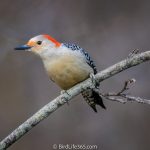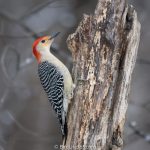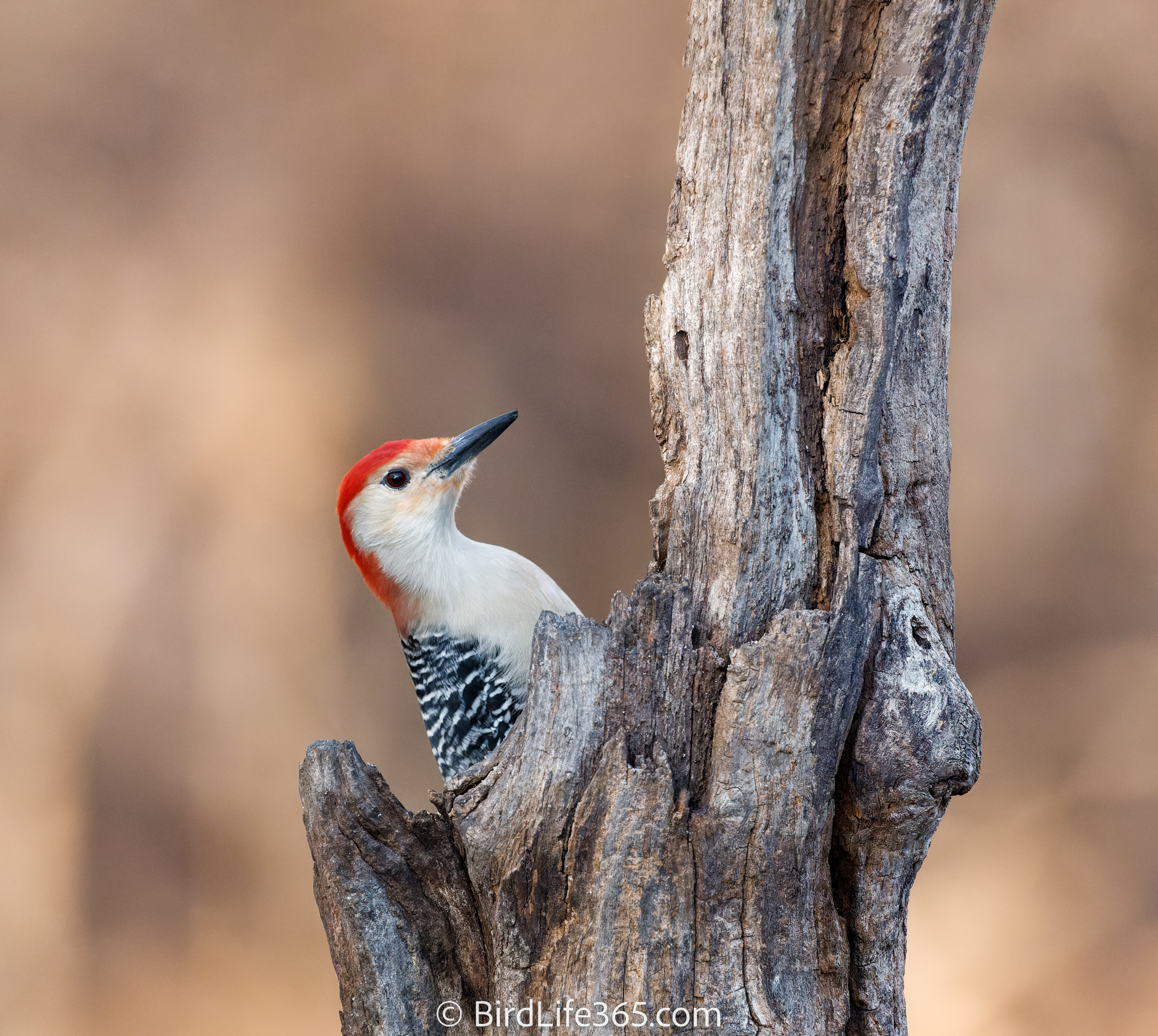
We have a wide variety of woodpeckers here in Eastern Iowa and none are more notable (and noticeable) than the Red-Bellies. They are absolutely stunning and the males vibrant red head cap just can’t be missed. To me, for all of these reasons and more, they are worthy of being our Bird Of The Week!
Red-bellied Woodpeckers (Melanerpes carolinus) are vibrant and engaging birds commonly found across the eastern United States. They have a series of unique characteristics and behaviors that make them fascinating to birdwatchers and nature enthusiasts. Here are some fun and interesting facts about Red-bellied Woodpeckers:
-
Misleading Name: Despite their name, Red-bellied Woodpeckers have a belly that is more of a pale, whitish color with only a hint of red. The most prominent red feature is actually on the head of the males, leading to occasional confusion with other woodpecker species like the Red-headed Woodpecker.
-
Tool Use: They are one of the few bird species known to use tools. Red-bellied Woodpeckers have been observed using pieces of bark and wood as levers to pry open bark or to dig out insects. They also use these tools to spread sticky sap or insect parts around their nest entrances as a deterrent for predators.
-
Diet Flexibility: Although insects form the bulk of their diet, Red-bellied Woodpeckers are opportunistic feeders and have a varied diet that includes fruits, nuts, seeds, and even small vertebrates. In winter, when insects are less available, they frequently visit bird feeders for suet and sunflower seeds.
-
Vocal Communication: They are quite vocal, using a variety of calls to communicate. Their calls include a distinctive “churr” sound that can be heard year-round. These calls are used for communication between mates, signaling a territory, and alerting to predators.
-
Tongue Adaptations: Like many woodpeckers, Red-bellied Woodpeckers have long tongues that can extend far beyond the end of their beak. Their tongues are sticky and barbed at the end, helping them to extract insects from deep crevices in wood and bark.
-
Cavity Nesters: They nest in cavities that they excavate in dead or dying trees. These cavities are not only used for nesting but also for roosting during the winter months, providing essential shelter.
-
Territorial Behavior: Red-bellied Woodpeckers are quite territorial, especially during the breeding season. They vigorously defend their nesting sites from other cavity-nesting birds and even from other woodpeckers.
-
Year-Round Residents: While some populations in the northern part of their range may move south for the winter, most Red-bellied Woodpeckers are year-round residents in their territory.
-
Helpful to Other Species: The nesting cavities excavated by Red-bellied Woodpeckers often become homes for other species of birds and even some mammals, who use these cavities after the woodpeckers have moved on.
-
Interesting Breeding Facts: Both male and female Red-bellied Woodpeckers participate in nest excavation. The female lays 4 to 5 eggs, and both parents share incubation duties. They are known to be attentive parents, aggressively defending their nest and feeding their young well after they have fledged.
Red-bellied Woodpeckers are a testament to the complexity and adaptability of avian species, showcasing behaviors and characteristics that continue to intrigue and delight those who observe them.